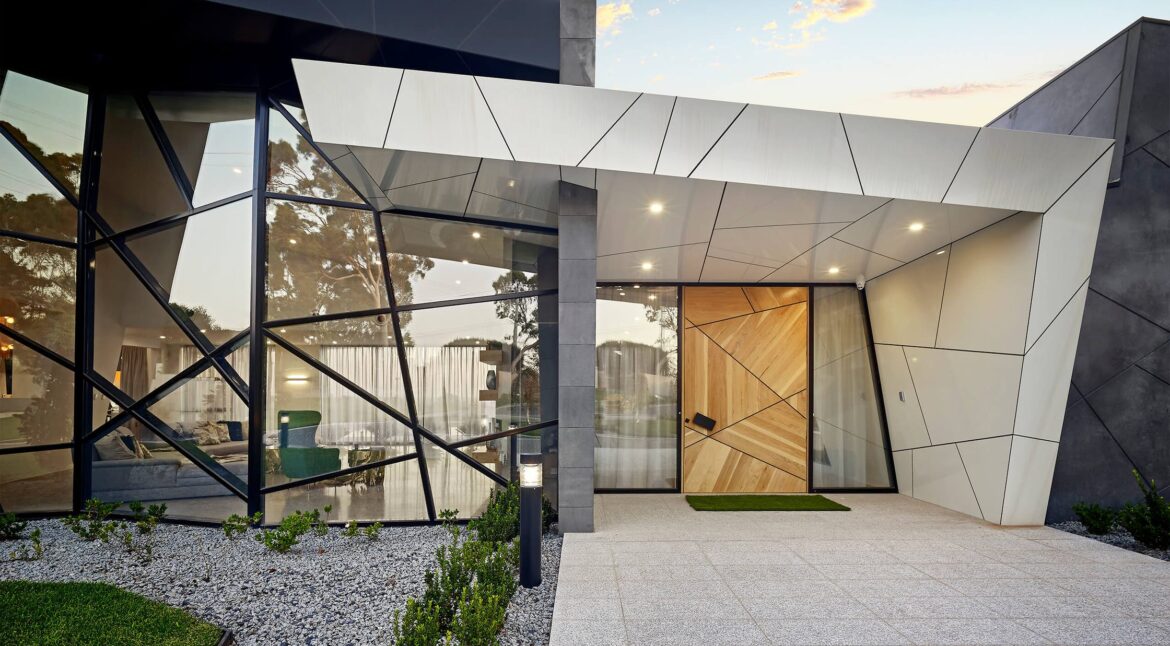
With the booming development of Malaysia’s construction industry and the upgrading of consumer demand, the door and window market is undergoing a transformation from “basic functionality” to “quality upgrading”. In 2025, energy conservation, intelligence, and localization will become the core trends in the market, and the layout of leading enterprises such as Xinyi and Qibin also confirms this direction. This article will delve into the latest developments in the Malaysian doors and windows market, providing reference for home buyers, decoration owners, and industry practitioners.
1、 Core drivers of market growth: Rising demand for buildings and promotion of energy-saving policies
The sustained growth of the Malaysian doors and windows market is mainly due to two core factors: firstly, the continuous expansion of residential and commercial buildings, with strong demand for new construction projects and renovation of old houses, directly driving the rigid demand for door and window products; Secondly, in the context of the global energy crisis, energy conservation has become the core demand of the construction industry. The government’s policies to promote sustainable buildings have further stimulated the demand for high-performance energy-saving doors and windows.
Data shows that the ASEAN UPVC doors and windows market has reached a scale of 13.3 billion US dollars by 2025 and is expected to increase to 18.17 billion US dollars by 2030. Malaysia, as the core market of ASEAN, has become a key driving force for market growth with the acceleration of urbanization and the expansion of the middle class. At the same time, the increase in local glass production capacity has also provided support for the door and window market – Xinyi Group Malaysia Industrial Park has formed a production capacity of 3200 tons of float glass and 4300 tons of solar glass, while Qibin Group has an annual production capacity of 4.5 million square meters of Low-E glass, achieving localized supply of core materials.
2、 Three core trends of 2025: redefining the quality of doors and windows in Malaysia
Trend 1: Energy saving has become a necessity, and high-performance products have become mainstream
With the rise in energy costs, Malaysian consumers are increasingly demanding energy-saving requirements for doors and windows. Traditional non insulated aluminum alloy doors and windows are gradually being phased out, and products with good thermal insulation performance have become mainstream in the market, such as Low-E insulated glass doors and windows, UPVC insulated doors and windows, etc. These products can effectively reduce indoor and outdoor heat transfer, lower the cost of air conditioning usage, and align with the global trend of green building development.
According to research by Qibin Group, its Low-E glass doors and windows can reduce indoor temperature by 3-5 ℃ and have significant energy-saving effects. They are currently widely used in high-end residential and commercial projects in Malaysia. In addition, the improvement of sealing performance has also become the key to energy conservation. High quality doors and windows improve air and water tightness by optimizing the sealing strip design, further reducing energy loss.
Trend 2: Accelerated intelligent upgrade, dual improvement of convenience and security
Technology empowerment is driving the transformation of Malaysia’s doors and windows market towards intelligence. Intelligent door and window products such as electric sliding skylights, smart doors with biometric recognition, and electrochromic glass doors and windows with automatic adjustment Tint are gradually entering high-end residential and commercial projects. The Optima Sky electric sliding glass roof system launched by Optima Window can be opened and closed with just one click, creating an unobstructed outdoor view for users and becoming a popular choice for villas and high-end apartments.
Security upgrades are also an important direction for intelligence. Door and window products with Arx Tech safety nets have replaced traditional ugly and cute iron flower anti-theft windows with their characteristics of being scratch resistant and unable to be cut. They not only ensure safety but also do not affect lighting and aesthetics, becoming a new favorite in the market. In addition, the integration of remote control, abnormal alarm and other functions further enhances the safety protection capability of doors and windows.
Trend 3: Deepening localized production and adapting more accurately to local needs
In the early days, the Malaysian door and window market relied on imported products, but now localized production has become the mainstream trend. Enterprises such as Xinyi and Qibin have established large-scale production bases in Malaysia, which not only reduces transportation costs but also accurately adapts to local needs – optimizing production processes based on the employment characteristics of Muslims who pray five times a day; Develop customized products that are resistant to wind pressure, corrosion, and mosquitoes based on climate conditions such as typhoons and humid heat.
Localized production also brings certification advantages. The door and window products produced by local enterprises are more likely to pass local certifications such as SIRIM and CIDB, and can quickly respond to the certification requirements of ASEAN countries, laying the foundation for product exports. This model of “local research and development, local production, and local services” is becoming the core advantage of market competition.
3、 Market Challenges and Opportunities: Coping Strategies for Enterprises and Consumers
The current Malaysian door and window market is also facing some challenges: firstly, rising labor costs and labor efficiency issues. Local enterprises need to improve production efficiency through technological upgrades and employee training; Secondly, the product certification process is cumbersome, especially when exporting to other ASEAN countries, which requires adaptation to multiple national standards; Thirdly, consumers’ awareness of high-performance products still needs to be improved.
But the opportunities are equally significant. With the promotion of intelligent and green buildings, the demand for high-performance and intelligent doors and windows will continue to grow; The rise of the old house renovation market has also provided a vast space for energy-saving doors and windows. For consumers, choosing a localized, certified, and well-established after-sales brand is the best way to avoid risks; For enterprises, deepening local demand, increasing technological innovation, and improving certification systems will be the key to seizing market opportunities.
Conclusion: The Malaysian door and window market in 2025 is moving towards greater energy efficiency, intelligence, and localization. Both industry practitioners and consumers need to grasp this trend in order to better adapt to market changes and achieve a win-win situation of quality and efficiency. In the future, with the continuous breakthrough of technology, doors and windows will no longer be just accessories of buildings, but will become the core carrier for improving living experience and promoting sustainable development.