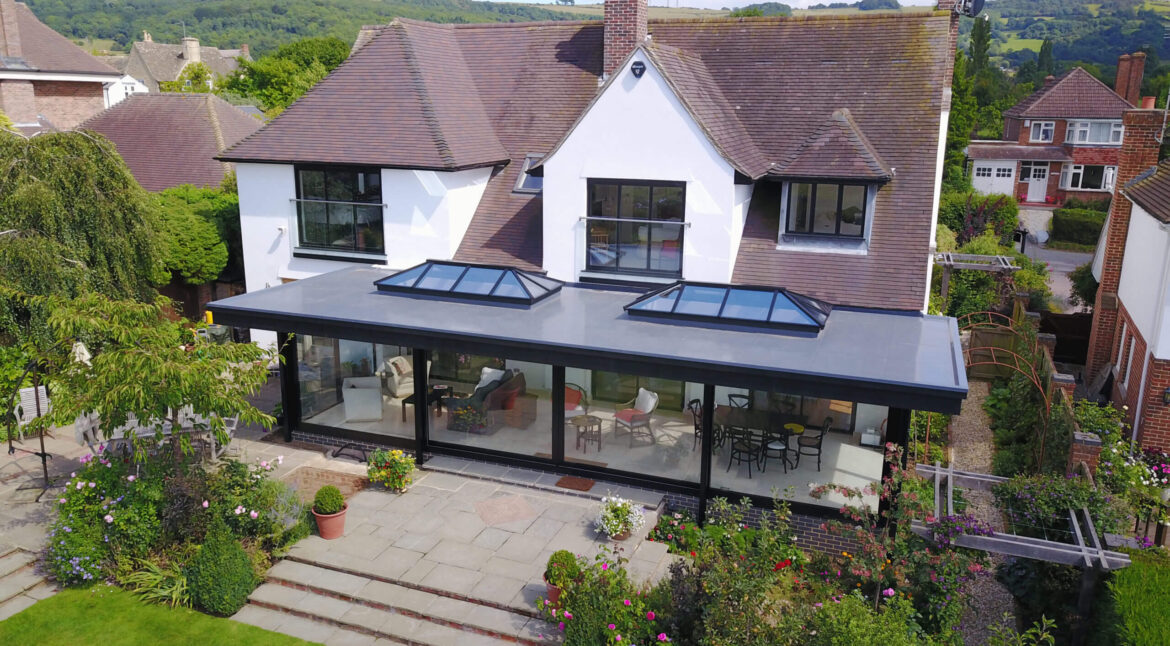
With the high-end development of commercial buildings in Malaysia, doors and windows are no longer just partitions and lighting components, but have become core elements that affect building energy consumption, safety protection, and brand image. Whether it is office buildings, shopping centers, hotels, or industrial plants, the selection of doors and windows for commercial buildings should take into account functionality, compliance, and economy, especially adapting to local climate and commercial usage needs. This article combines the characteristics of commercial buildings in Malaysia and provides professional selection solutions from the aspects of material selection, system configuration, certification requirements, etc., to help projects achieve a win-win situation of quality and efficiency.
1、 The core requirement of commercial building doors and windows: adaptation to the scene, precise positioning
There is a significant difference in the demand for doors and windows between commercial buildings and residential buildings, and the core demands need to be clarified according to different scenarios:
-Office buildings/high-end commercial complexes: The core requirements are energy conservation, sound insulation, aesthetics, and intelligence. Need to reduce air conditioning energy consumption, block urban noise, and enhance building style through door and window design; High end projects also need to integrate intelligent control systems to achieve convenient management.
-Hotel/cultural tourism projects: Emphasize sound insulation, privacy, and comfort, while requiring doors and windows to have good waterproof performance to avoid rainwater leakage affecting customer experience; Some projects need to take into account regional cultural elements to enhance the sense of design.
-Industrial plants: The focus is on wind pressure resistance, ventilation, durability, and safety, which need to be adapted to large span designs. Some plants also need to meet special requirements such as explosion prevention and corrosion prevention.
In addition, all commercial projects must strictly comply with SIRIM certification and CIDB certification requirements to ensure product compliance; If it is a green building project, it also needs to meet the environmental requirements of sustainable products.
2、 Mainstream Material and System Selection: Optimal Solution for Commercial Scenarios
Considering Malaysia’s climate and business needs, aluminum alloy system doors and windows and metal curtain walls are the mainstream choices, and some scenarios can be paired with UPVC products:
1. Aluminum alloy system doors and windows: the preferred choice for commercial buildings
Aluminum alloy material has high strength and strong plasticity, can achieve complex shapes, and is suitable for high-frequency use in commercial buildings. The mainstream systems include:
-Unit curtain wall system: suitable for high-end office buildings and shopping centers, it adopts factory prefabrication and on-site splicing, with high construction efficiency, good sealing performance, and can effectively cope with rainstorm and strong wind in Malaysia. PMB Facade Technology and other local brands’ modular curtain wall systems can provide one-stop services from design, fabrication to installation, adapting to different building styling requirements, and certified locally to ensure compliance.
-Broken bridge aluminum insulated doors and windows: By blocking heat transfer with insulation strips, the energy-saving effect is significant, suitable for projects such as office buildings and hotels that strictly control energy consumption. Paired with Low-E insulated glass, it can further enhance insulation performance and reduce air conditioning operating costs – Qibin Group’s Low-E glass has been widely used in commercial projects in Malaysia, which can reduce indoor temperature by 3-5 ℃ and have significant energy-saving benefits.
-Industrial aluminum alloy doors and windows: designed to meet the needs of factories, using thickened profiles and reinforced glass, with strong wind pressure resistance, and can be matched with large sliding or folding doors to improve ventilation efficiency and equipment access convenience.
2. Metal roof and enclosure system: a suitable choice for industrial and large-scale commercial applications
For large commercial buildings such as industrial plants, airports, and convention centers, metal roofs and enclosure systems are key, and products from local brands such as Swissma are worth recommending:
-Using Colorbond ®、 Zincalume ® High quality metal materials with strong corrosion resistance and wind pressure resistance, suitable for Malaysia’s humid and hot climate and typhoon environment;
-Can provide large-span design, reduce supporting structures, and improve space utilization; Some products have passed FM certification and have excellent performance in fire prevention, waterproofing, and other aspects, suitable for the safety needs of industrial plants;
-Support personalized styling, can be paired with daylighting strip design to enhance indoor natural lighting and reduce lighting energy consumption.
3. UPVC doors and windows: a supplementary choice for low-cost commercial scenarios
For commercial ancillary buildings with limited budgets, such as employee dormitories and warehouse offices, UPVC doors and windows are a cost-effective choice. Their low maintenance and energy-saving characteristics can reduce operating costs, but it is important to choose high-strength profiles to avoid deformation under high-frequency use.
3、 Key configurations of commercial doors and windows: safety, energy efficiency, and intelligent upgrades
The configuration of commercial building doors and windows directly affects the user experience and operational efficiency, and the following aspects need to be focused on:
1. Security configuration: Balancing protection and compliance
-Glass safety: Tempered glass or laminated glass is preferred for exterior walls, french window and other areas, so it is not easy to hurt people after being broken; High rise commercial buildings need to use bulletproof and impact resistant glass that meets standards to enhance their safety protection level.
-Anti theft and protection: The doors and windows of the ground floor shops can be equipped with Arx Tech safety nets to replace traditional anti-theft windows, balancing safety and aesthetics; Choose a multi-point locking system for locks to enhance anti-theft performance.
-Waterproof safety: the curtain wall and roof system should be equipped with high-quality waterproof sealing materials, such as Greenseal’s crystalline waterproof compound, which can effectively block the seepage channel and adapt to the rainstorm environment in Malaysia; Simultaneously design a reasonable drainage system to avoid structural damage caused by water accumulation.
2. Energy saving configuration: reduce operating costs
-Low-E insulated glass or vacuum glass is preferred for glass to enhance insulation and sound insulation performance;
-Paired with high-quality sealing strips and multi cavity profiles, it enhances the air and water tightness of doors and windows, reducing energy consumption;
-Large commercial buildings can use electric sunshade louvers linked with doors and windows to reduce direct sunlight and lower air conditioning loads.
3. Intelligent configuration: improve management efficiency
-High end commercial projects can integrate intelligent control systems to achieve functions such as remote opening and closing of doors and windows, status monitoring, and abnormal alarms;
-Electric sunroof, electric folding door and other products can be equipped with sensors to automatically adjust according to light, wind and rain, improving convenience;
-The glass curtain wall of office buildings can use electrochromic glass, which can adjust the transparency with one click, balancing lighting and privacy needs.
4、 Avoiding pitfalls in the selection of commercial doors and windows: key points for brand and construction
1. Choose local brands with commercial project experience, such as PMB Facade Technology, Swissma, Optima Window, etc. These brands are familiar with local standards and climate characteristics, can provide one-stop services from design to after-sales, and their products have been certified by SIRIM, CIDB, etc., ensuring compliance;
2. Pay attention to scheme design and on-site investigation: Commercial buildings have complex shapes and require on-site investigation in advance. Customized schemes should be made based on the building structure, orientation, surrounding environment, etc., to avoid blind selection that may result in substandard performance;
3. Strictly control construction quality: Choose a professional construction team, especially for curtain wall and large roof systems with high installation accuracy requirements. Ensure that the nodes are properly processed to avoid problems such as leakage and deformation in the later stage;
4. Clarify after-sales support: Commercial doors and windows have a high frequency of use, and it is necessary to choose brands that provide long-term after-sales services, including regular maintenance, parts replacement, and other services, to reduce maintenance costs in the later stage.