In Malaysia’s hot and humid tropical climate, air conditioning accounts for over 58% of the total energy consumption of households and commercial buildings. Doors and windows, as the main channels for heat exchange inside and outside buildings, directly determine living comfort and operating costs due to their energy-saving performance. In 2025, with the focus on promoting the development of green energy in Malaysia’s 13th Malaysia Plan (RMK13) and the promotion of Green Building Index (GBIndex) certification, energy-saving doors and windows will become the core demand in the decoration market. Aluminum alloy doors and windows, with their excellent energy-saving advantages and technological upgrades adapted to the local climate, have successfully occupied over 60% of the market share and become the preferred choice for new residential, commercial projects, and old house renovations. This article will deeply analyze the core advantages of aluminum alloy doors and windows in energy conservation, and combine SIRIM certification standards with local application scenarios to reveal the key reasons why they have become the preferred choice for decoration.
1、 Core energy-saving advantage: Blocking heat transfer and reducing air conditioning energy consumption by 30%+
The average annual temperature in Malaysia exceeds 27 ℃, and the extreme high temperature in summer can reach over 35 ℃. The temperature difference between indoor and outdoor is significant, and the insulation performance of doors and windows directly affects the air conditioning load. Aluminum alloy doors and windows have been upgraded in material and optimized in structure to create an efficient “thermal barrier”, with energy-saving effects far exceeding traditional doors and windows
1. Bridge cutting aluminum technology: cutting off the heat conduction path
Traditional aluminum alloys have strong thermal conductivity and are prone to rapid heat exchange between indoor and outdoor environments. However, bridge cut aluminum alloy doors and windows completely block heat conduction channels by embedding insulation strips in the profiles. High quality broken bridge aluminum doors and windows use PA66 nylon insulation strips, combined with multi cavity profile design, which can effectively reduce the thermal conductivity of the profile and reduce the indoor and outdoor heat exchange efficiency by more than 60%. In practical applications in cities such as Kuala Lumpur and Penang, residential buildings with broken bridge aluminum doors and windows can increase the air conditioning setting temperature by 2-3 ℃ in summer while maintaining comfort, and directly reduce air conditioning energy consumption by 20% -30%. A 100 square meter household can save nearly 1000 Malaysian Ringgit in electricity bills annually.
2. High performance glass adaptation: precise blocking of solar thermal radiation
Glass is a key link in energy conservation for doors and windows, and aluminum alloy doors and windows can perfectly adapt to energy-saving glass produced by local manufacturers in Malaysia, further enhancing the energy-saving effect. Among them, Low-E insulated glass can reflect more than 80% of solar infrared thermal radiation through special coating technology, while retaining visible light transmittance. When applied in office buildings, it can reduce cooling power consumption by up to 6.4%. The Low-E insulated glass produced by Qibin Group’s Malaysia factory has passed SIRIM certification and CIDB certification. It adopts a double sealing process, which not only has excellent thermal insulation performance, but also effectively prevents the infiltration of humid and hot air, avoiding fogging of the glass and affecting lighting. In addition, the air interlayer of double-layer insulated glass can further enhance the insulation effect, with insulation performance improved by more than 50% compared to single-layer glass. Combined with the sealing structure of aluminum alloy profiles, it forms a dual energy-saving guarantee.
3. High airtightness design: reduces the infiltration of hot and cold air
The air infiltration through the gaps between doors and windows is an important cause of energy loss, especially during the rainy season in Malaysia, where humid and hot air infiltration can lead to indoor dampness and mold growth. Aluminum alloy doors and windows are designed with three EPDM sealing strips and equipped with a multi-point lock closure system. The air tightness level can easily reach 6-7 levels (compliant with MS 268:2018 standard), which can tightly block indoor and outdoor air infiltration. Data shows that aluminum alloy casement windows that meet SIRIM certification have an air permeability 40% lower than ordinary plastic steel windows, reducing air conditioning energy consumption losses by 15% -25% while maintaining indoor dryness and comfort, avoiding wall mold and furniture damage caused by moisture.
2、 Adapting to local climate: balancing energy conservation with typhoon resistance and corrosion resistance
Malaysia not only faces high temperatures and humidity, but also frequent typhoons and coastal salt erosion. Aluminum alloy doors and windows not only achieve energy efficiency, but also perfectly adapt to the complex local climate, forming a dual advantage of “energy saving+durability”. This is also the core reason why they surpass other materials of doors and windows:
1. Typhoon resistance and energy conservation go hand in hand, ensuring safety and security
The east coast of Malaysia, Penang and other areas have a high incidence of typhoons from June to October every year, and doors and windows need to meet both wind pressure resistance and energy-saving requirements. Aluminum alloy material has high strength, and the tensile strength of 6000 series profiles can reach over 200MPa. It is designed with integrated frame and fan, and has a wind pressure resistance level of ≥ 5, which can withstand the impact of strong typhoons with wind speeds ≥ 25m/s. The broken bridge aluminum structure and sealing design not only improve the wind pressure resistance performance, but also do not affect the energy-saving effect, avoiding the drawbacks of traditional energy-saving doors and windows that prioritize insulation over safety. In the 2025 typhoon protection sampling inspection, the leakage rate of SIRIM certified aluminum alloy doors and windows is less than 1%, far lower than other material doors and windows.
2. Strong corrosion and weather resistance, long-term energy-saving and stable
The coastal areas of Malaysia have high levels of salt in the air, and ordinary material doors and windows are prone to rusting and aging, leading to a decrease in sealing performance and a gradual decline in energy-saving effects. Aluminum alloy doors and windows are treated with surface treatments such as anodizing and powder coating to form a dense protective layer, which can effectively resist sea salt erosion, humid air, and ultraviolet radiation. The service life can reach more than 20 years. Long term tracking in coastal cities such as Penang and Johor shows that aluminum alloy doors and windows that have been in use for 10 years only experience a 5% decrease in air tightness, while maintaining stable energy-saving performance; However, the energy-saving effect of traditional plastic steel doors and windows has decreased by over 30% during the same period, requiring frequent maintenance and replacement.
3、 Policy and compliance support: Energy saving aluminum alloy doors and windows align with the trend of green buildings
In 2025, Malaysia’s green building policy will continue to intensify. The government not only requires public buildings and government funded projects to meet the GBIndex certification standards, but also provides tax incentives and funding subsidies for projects that use energy-saving materials. Aluminum alloy doors and windows, with their excellent energy-saving performance, have become the core bonus points of green building certification, and their compliance advantages further consolidate their preferred market position
1. Compliant with SIRIM certification, worry free compliance
SIRIM certification is a mandatory entry threshold for the Malaysian doors and windows market, covering safety, quality, and environmental standards for building materials. High quality aluminum alloy doors and windows have passed SIRIM certification, and their energy-saving performance (insulation, airtightness), wind pressure resistance, etc. all meet the requirements of MS 268:2018 standard, which can smoothly pass building acceptance and avoid rework caused by non compliant products. For example, Optima Window’s broken bridge aluminum series and the aluminum alloy door and window system provided by Qibin Group both hold SIRIM certification, making them reliable choices for developers and homeowners.
2. Adapt to green buildings and enjoy policy dividends
In Malaysia’s green building certification system, the energy-saving performance of doors and windows accounts for 15% -20%. The project using bridge cut aluminum Low-E insulated glass doors and windows can easily meet the basic energy-saving requirements of GBIndex certification. If it meets higher energy-saving standards, it can also enjoy tax exemptions and green building innovation fund support provided by the government. For commercial buildings, energy-saving aluminum alloy doors and windows can not only reduce operating costs, but also enhance the green brand image of the project and attract more high-quality tenants.
4、 Full scene adaptation+low maintenance: long-term realization of energy-saving advantages
The energy-saving advantages of aluminum alloy doors and windows are not limited to a single scenario. Their flexible design and low maintenance characteristics can ensure long-term and stable energy-saving effects, further enhancing cost-effectiveness
1. Multiple opening methods to adapt to different energy-saving needs in different spaces
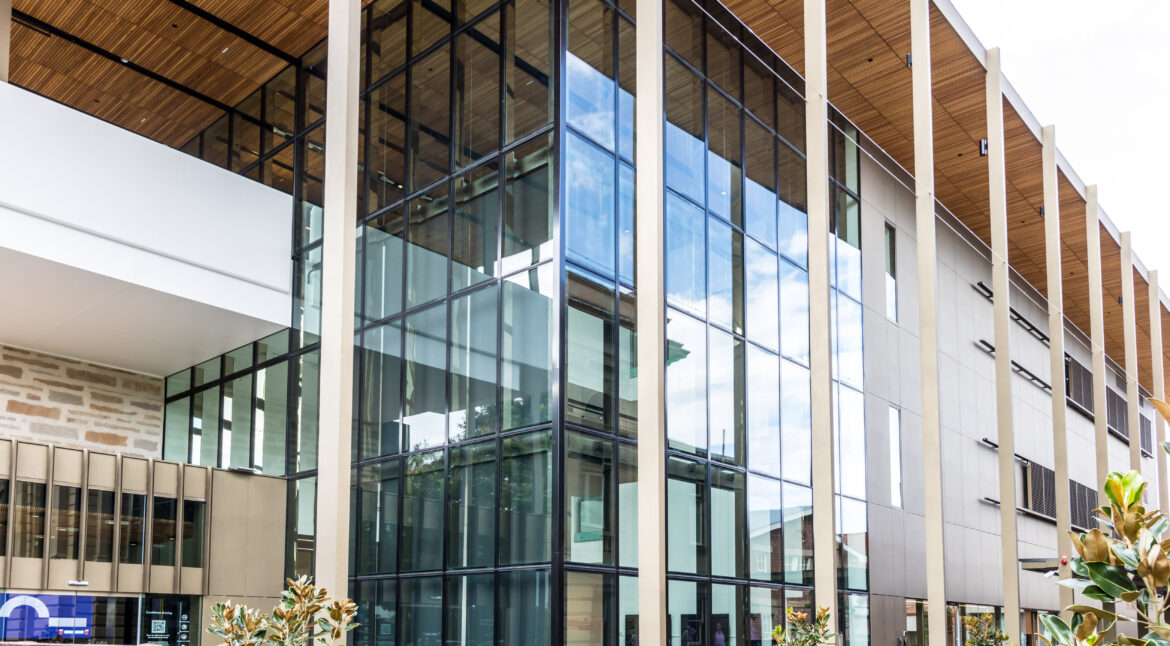
Aluminum alloy doors and windows can be designed with multiple opening methods such as casement windows, sliding windows, folding windows, etc., accurately matching the energy-saving and ventilation needs of different spaces. When the casement window is fully opened, the ventilation area reaches 100%, which can use natural wind to reduce the frequency of air conditioning use. When closed, high air tightness ensures energy saving; The sliding window adopts a sealed track design, which is suitable for small spaces such as balconies and kitchens, balancing energy conservation and space utilization; The aluminum alloy curtain wall system used in commercial buildings can reduce cooling demand by more than 30% by integrating Low-E glass, sunshade louvers, and ventilation design, becoming an energy-saving standard for office buildings and shopping centers.
2. Low maintenance feature ensures long-term stability of energy-saving performance
After surface treatment, aluminum alloy doors and windows do not require regular painting and maintenance. They can be kept clean by occasionally wiping with mild soapy water; EPDM sealing strips have a service life of over 10 years and low replacement costs; Paired with stainless steel or nylon hardware accessories, regularly apply silicon-based lubricant to avoid jamming and ensure that the sealing performance does not deteriorate. Compared to wooden doors and windows that require frequent painting and plastic steel doors and windows that are prone to deformation and aging, aluminum alloy doors and windows reduce maintenance costs by more than 50%. Their energy-saving performance can be stably maintained for more than 15 years, and their long-term cost-effectiveness far exceeds other materials.